Essential Property Maintenance Tasks for Algarve Homes
Regular property maintenance helps protect the condition, appearance and functionality of a home. In the Algarve, sunshine, seasonal rain, coastal exposure and frequent outdoor use can all affect how a property needs to be maintained.
Whether you live in your property throughout the year or use it as a holiday home, a planned approach makes it easier to identify issues and organise work before maintenance becomes more difficult to manage.
Here are some of the main areas worth including in your property maintenance routine.
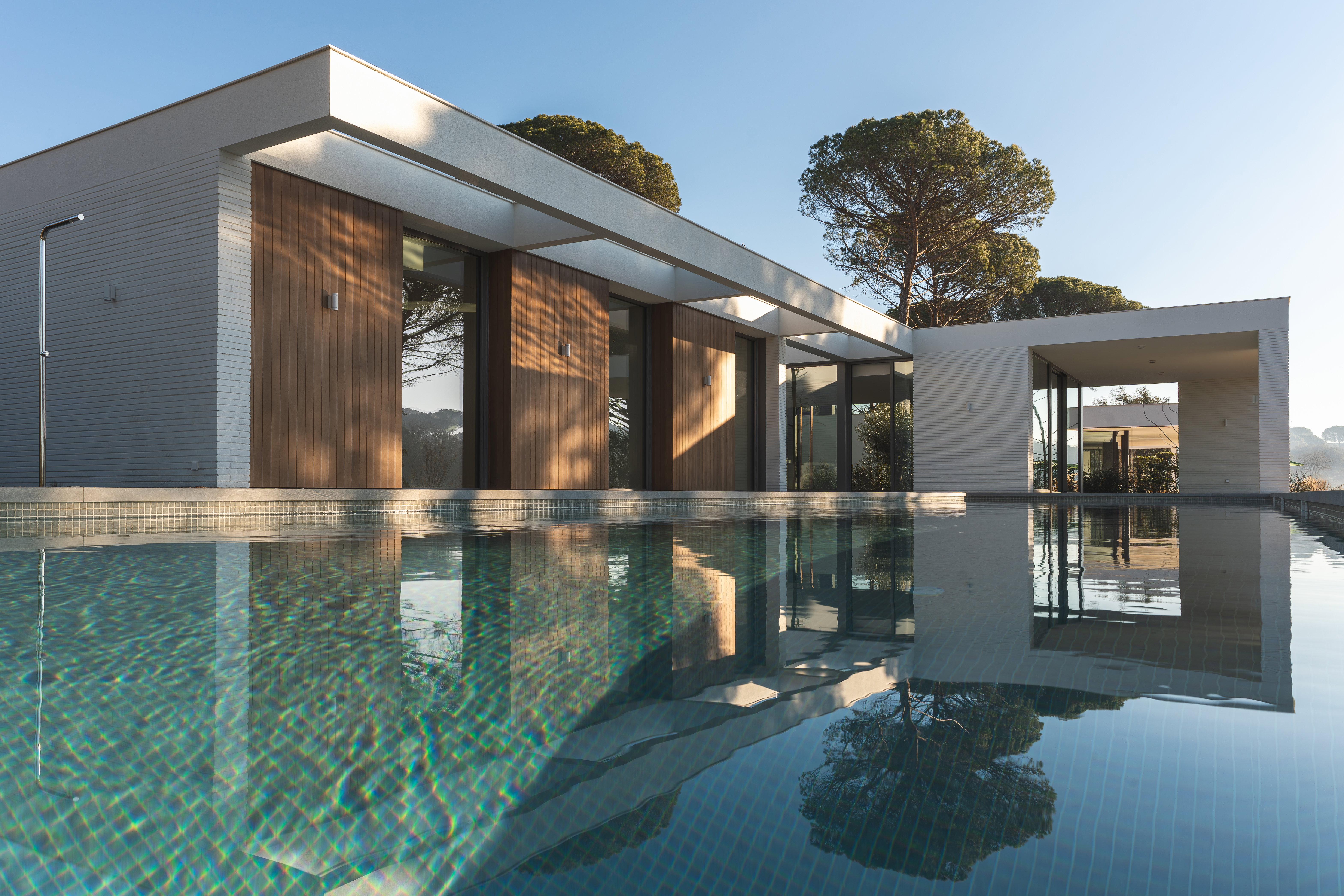
Inspect Exterior Walls and Paintwork
Exterior paintwork and rendered walls are exposed to the local climate throughout the year. Over time, you may notice fading, peeling paint, cracks or areas of discolouration.
Walk around the property periodically and look for visible changes. Pay particular attention to areas around windows, doors and other openings, where signs of water ingress may become apparent.
Small areas of deteriorating paintwork may need attention before a larger repainting project becomes necessary. However, cracks or recurring damp patches should be assessed to establish the underlying cause rather than simply painted over.
Check Windows, Doors and Shutters
Windows, doors, locks, hinges and shutters are used regularly and can develop loose fittings or operational problems.
Check that they open, close and lock correctly. Look for damaged seals, visible corrosion, loose handles and signs that water may be entering around the frames.
Coastal conditions can be particularly demanding on exposed metal fittings. Any maintenance or replacement work should be suitable for the materials and exposure conditions.
Look for Visible Signs of Plumbing Problems
Leaks can occur around taps, toilets, washing machines, water heaters and accessible pipework.
Look for unexplained moisture, water marks, swollen cabinetry, unusual odours or changes in the appearance of walls and ceilings. These signs do not always reveal the source of a problem, so persistent or unexplained symptoms should be investigated.
Addressing a suspected leak promptly can help limit further damage. Avoid attempting repairs beyond your level of experience, particularly where electrical systems or pressurised equipment may be involved.
Maintain Terraces, Patios and Driveways
Outdoor surfaces accumulate dust, dirt, organic matter and general deposits. These can affect the appearance of patios, terraces, driveways and other paved areas.
Regular sweeping and suitable cleaning help keep these spaces presentable. Where deeper cleaning is required, the method should be selected according to the surface material, condition and manufacturer's recommendations.
Pressure washing is not suitable for every surface or setting. Excessive pressure can damage joints, coatings, softer stone and other materials, so the cleaning method should always be chosen carefully.
Keep Gardens and Outdoor Areas Under Control
Garden maintenance varies according to the size of the property, planting, irrigation system and time of year.
Routine tasks may include pruning appropriate plants, removing weeds, keeping pathways clear and checking irrigation for visible leaks or blocked outlets.
Also inspect outdoor furniture, gates, fencing and other fittings for loose components or weather-related wear. Keeping outdoor areas tidy can improve the property's appearance and make it easier to spot maintenance issues.
Check Pool Surroundings and Equipment
Swimming pools and their surrounding areas need appropriate routine care. Look for visible deterioration around paving, loose fittings, damaged covers and anything that could create a safety concern.
Pool equipment and water treatment require their own maintenance routine. Follow manufacturer instructions and arrange specialist servicing where necessary. General property upkeep should not be confused with technical pool servicing.
Pay Attention to Interior Humidity and Ventilation
Properties that remain closed for long periods may develop humidity or musty odours, depending on their construction, ventilation and environmental conditions.
When visiting the property, look for condensation, visible mould, damp patches or unusual smells. If a problem persists, establish the cause before choosing a remedy. Cleaning visible mould without addressing the source of moisture may not resolve the issue.
For properties used seasonally, consider what ventilation or humidity-control arrangements are suitable for the building and its equipment.
Keep a Maintenance Record
A simple record can help you track recurring tasks, previous repairs and issues that need follow-up.
Consider recording:
- The date and details of maintenance work.
- Any visible concerns that need further investigation.
- When routine tasks were last completed.
- Photographs of relevant areas, where useful.
- Recommendations or quotations that still need approval.
This is particularly useful for overseas owners and property managers responsible for several properties.
Decide Which Tasks Need Professional Help
Some routine tasks can be managed by the owner, while others require appropriate tools, experience or specialist qualifications.
Electrical work, gas-related work, structural concerns, work at height and persistent water ingress should be handled by suitable professionals. If you are unsure about a problem, arranging an assessment is safer than guessing at the cause.
Create a Maintenance Routine That Suits Your Property
There is no single maintenance schedule that works for every Algarve property. A permanent residence, a holiday apartment and a large villa with a garden will all have different requirements.
Algarve Maintenance Services provides general property maintenance, property checks, painting, cleaning and exterior care across the Central Algarve.
For support with routine upkeep or specific maintenance tasks, explore our property maintenance services or painting and decorating services.
Contact us to discuss the requirements of your property.
This guide provides general information and is not a substitute for specialist inspection or maintenance advice where required.